
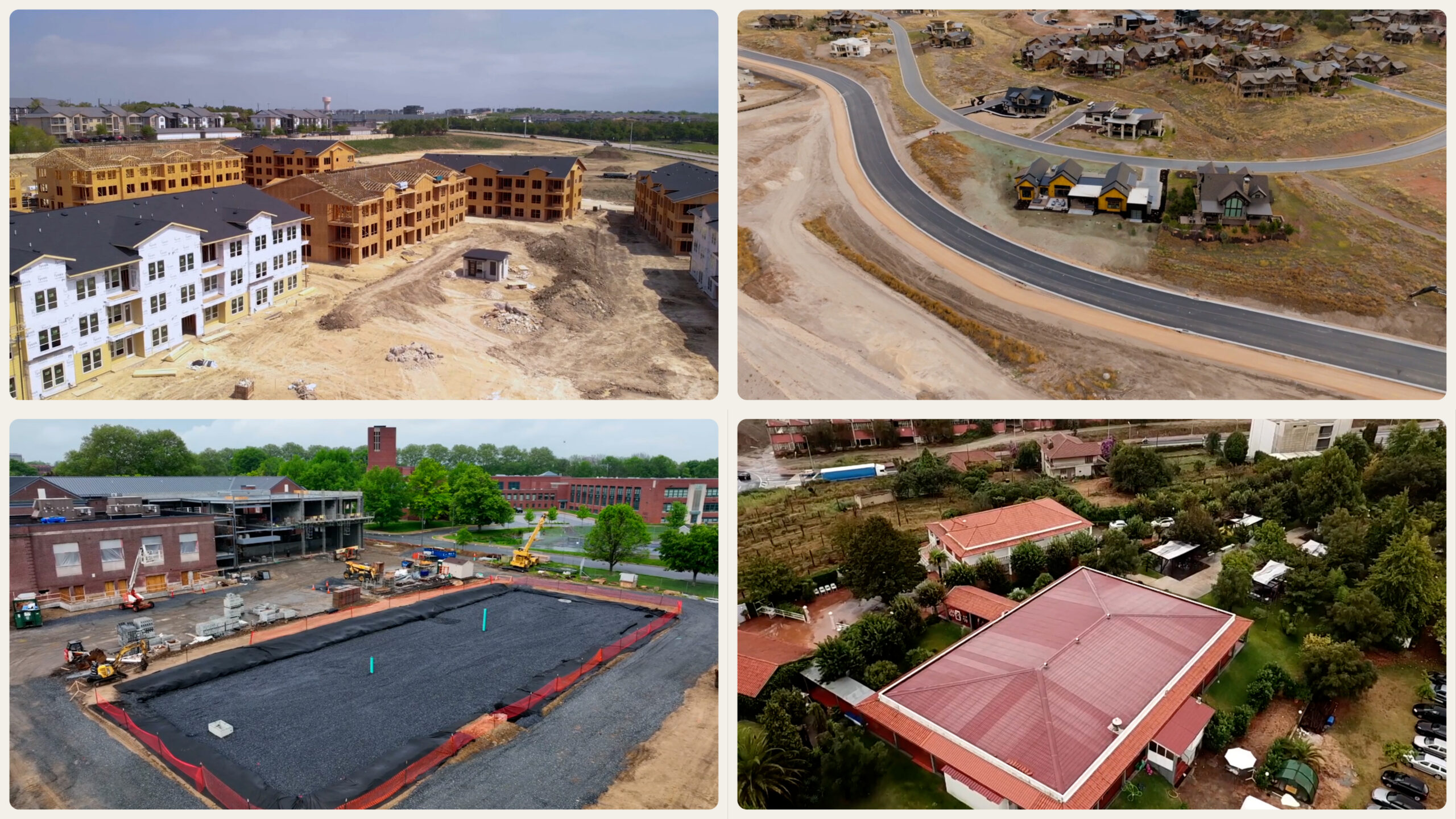
Wastewater Treatment, Solved at the Source
Most wastewater infrastructure is designed around centralized systems: large treatment plants, extensive pipe networks, lift stations, and chemical inputs. That model works for dense urban centers. It consistently fails everyone else.
Aquzar is built on a different premise. Instead of routing waste to a distant facility, Aquzar treats it where it originates, in a self-contained, modular system that can be deployed virtually anywhere, maintained without specialist credentials, and scaled as demand grows.
From Wastewater to Clean Effluent, Step by Step
Aquzar uses a proven biological treatment process that eliminates the need for chemical inputs at every stage. Influent passes through a sequence of treatment phases, each engineered for maximum efficiency in a compact footprint.
Influent (raw wastewater)
01
Pre-Treatment / Screening
Incoming wastewater passes through an inlet screening stage that removes solids and debris, protecting downstream components and maintaining system efficiency.
02
Biological Treatment via the Aerotor AHVR Bioreactor
Core of the Aquzar system. The patented Aerotor AHVR bioreactor uses a rotating drum media that creates an extraordinarily high surface area for biological film development, a 250:1 ratio compared to conventional fixed-media systems. Biological organisms in the film consume organic waste compounds continuously and efficiently. No chemical addition required at this stage.
- Core technology
03
Clarification / Settlement
Following biological treatment, the effluent enters a settling zone where suspended solids and biomass separate from the treated water before final disinfection.
04
UV Disinfection
Aquzar uses ultraviolet light disinfection rather than chlorination or other chemical methods. UV disinfection is highly effective against pathogens, produces no disinfection byproducts, and requires no chemical storage, handling, or dosing, significantly reducing operational complexity and environmental risk.
- Chemical-free
05
Compliant Effluent Discharge
Treated effluent meets regulatory discharge standards and exits the system for surface discharge, subsurface dispersal, or reuse applications, depending on site requirements and local permitting.
01
Pre-Treatment / Screening
Incoming wastewater passes through an inlet screening stage that removes solids and debris, protecting downstream components and maintaining system efficiency.
02
Biological Treatment via the Aerotor AHVR Bioreactor
Core of the Aquzar system. The patented Aerotor AHVR bioreactor uses a rotating drum media that creates an extraordinarily high surface area for biological film development, a 250:1 ratio compared to conventional fixed-media systems. Biological organisms in the film consume organic waste compounds continuously and efficiently. No chemical addition required at this stage.
- Core technology
03
Clarification / Settlement
Following biological treatment, the effluent enters a settling zone where suspended solids and biomass separate from the treated water before final disinfection.
04
UV Disinfection
Aquzar uses ultraviolet light disinfection rather than chlorination or other chemical methods. UV disinfection is highly effective against pathogens, produces no disinfection byproducts, and requires no chemical storage, handling, or dosing, significantly reducing operational complexity and environmental risk.
- Chemical-free
05
Compliant Effluent Discharge
Treated effluent meets regulatory discharge standards and exits the system for surface discharge, subsurface dispersal, or reuse applications, depending on site requirements and local permitting.
Proteus Real-Time Monitoring
Continuous compliance data across all treatment stages. No specialist required.
Modular by Design. Deployable by Default.
Aquzar is factory-assembled and delivered in standard 20 or 40-foot shipping containers. Everything required for operation, including the bioreactor, clarifier, UV disinfection unit, blower, and control systems, is integrated within the container envelope. No complex civil works required for the treatment system itself.
Key design characteristics
Serves populations of 20 to 6,000
Systems can be combined for larger capacity requirements.
No lift stations required
Gravity-fed system by design.
Solar-ready
Electrical demand is compatible with solar integration for off-grid or grid-supplemented operation.
30+ year design lifespan
Built for long operational cycles with low intervention requirements.
Chemical-free operation
No chemical inputs at any treatment stage.
Real-Time Compliance. No Specialist Required.
Aquzar installations are paired with the Proteus monitoring probe, a continuous water quality sensor that tracks key treatment performance parameters in real time. Proteus provides operators and regulators with current discharge data without requiring manual sampling at every reporting interval.
The system is designed so that existing staff, without specialized engineering credentials, can monitor performance, identify anomalies, and demonstrate compliance on an ongoing basis. This is a meaningful operational advantage for communities and operators with limited technical staffing.
Not All Decentralized Systems Are Equal
Conventional decentralized alternatives, including extended aeration lagoons, septic systems scaled beyond their design capacity, and some packaged plant technologies, share a common set of limitations: dependence on chemical inputs, significant civil construction requirements, high ongoing operational complexity, or a combination of all three.
Aquzar addresses each of these structurally: the biological treatment stage requires no chemical dosing, UV disinfection replaces chlorination, the containerized form factor eliminates earthwork requirements for the treatment unit itself, and the monitoring system reduces the credential burden on operational staff.
The 40-year, 560+ installation global track record across 55 countries represents a body of real-world performance data, across varying climates, regulatory regimes, and population scales, that few alternative systems can match.
| Aquzar | Conventional Alternatives | |
|---|---|---|
| Chemical inputs | None | Often required |
| Civil construction required | Minimal — containerized unit | Significant earthwork |
| Lift stations required | No | Typically yes |
| Solar-ready | Yes | Rarely |
| Form factor | 20 or 40ft container | Fixed infrastructure |
| Design lifespan | 30+ years | Varies |
| Operational complexity | Low — staff manageable | Often specialist-dependent |
| Global track record | 560+ installs / 55 countries | Varies by vendor |
The Same Technology. Applied Where You Need It.
Aquzar solves different problems for different buyers. The underlying technology is consistent. How it gets applied to your situation is specific.

Small Municipalities & Rural Communities
Compliance without a capital crisis. Learn how Aquzar helps small towns meet EPA standards, with grant funding that may cover up to 100% of eligible costs.

Tribal Nations
Infrastructure your community owns and can operate. See how Aquzar aligns with CWISA and IHS funding and the sovereignty goals of tribal leadership.
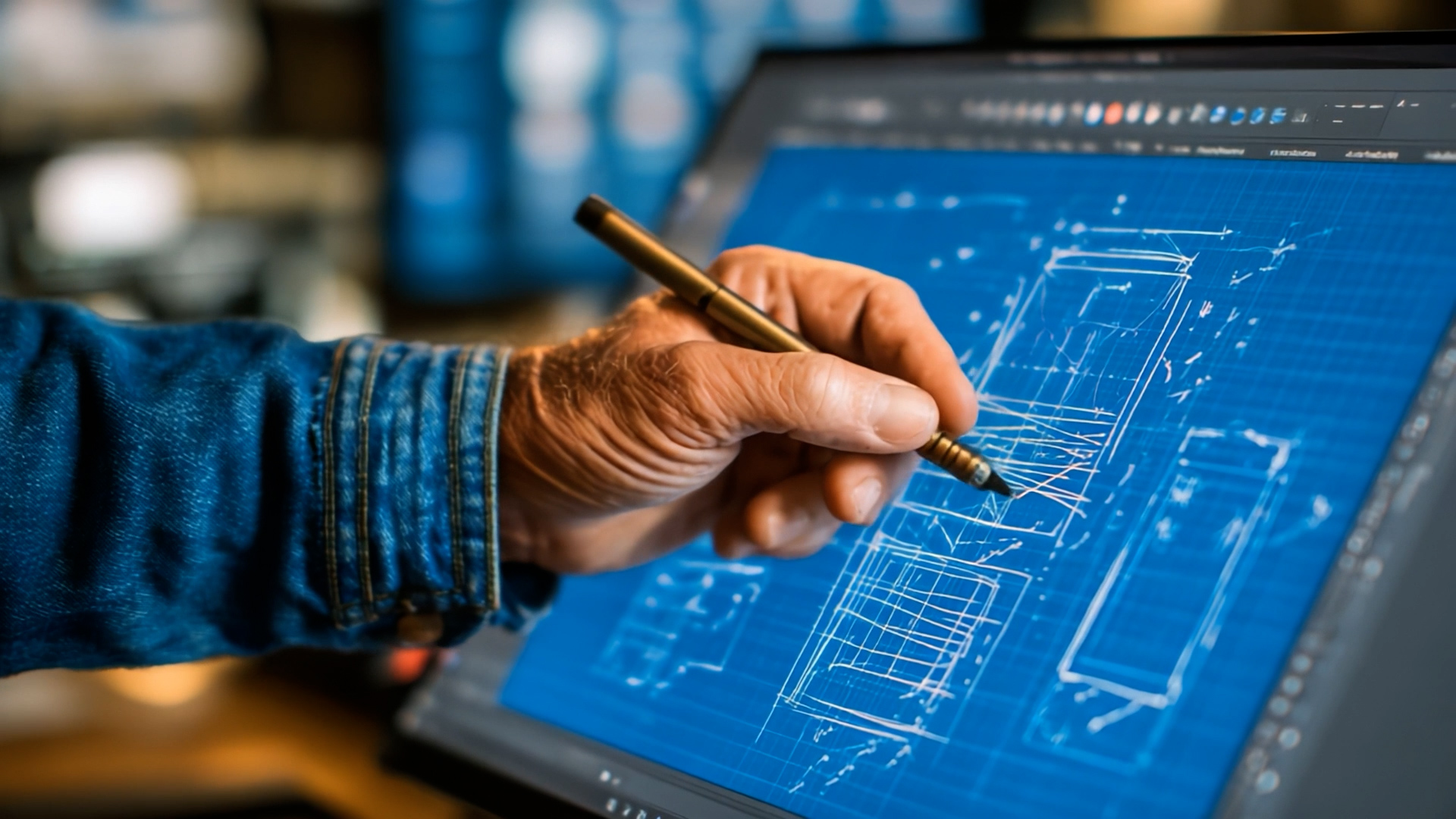
Land Developers
Wastewater as a density unlock. Find out how Aquzar removes the infrastructure constraint that limits your buildable yield.
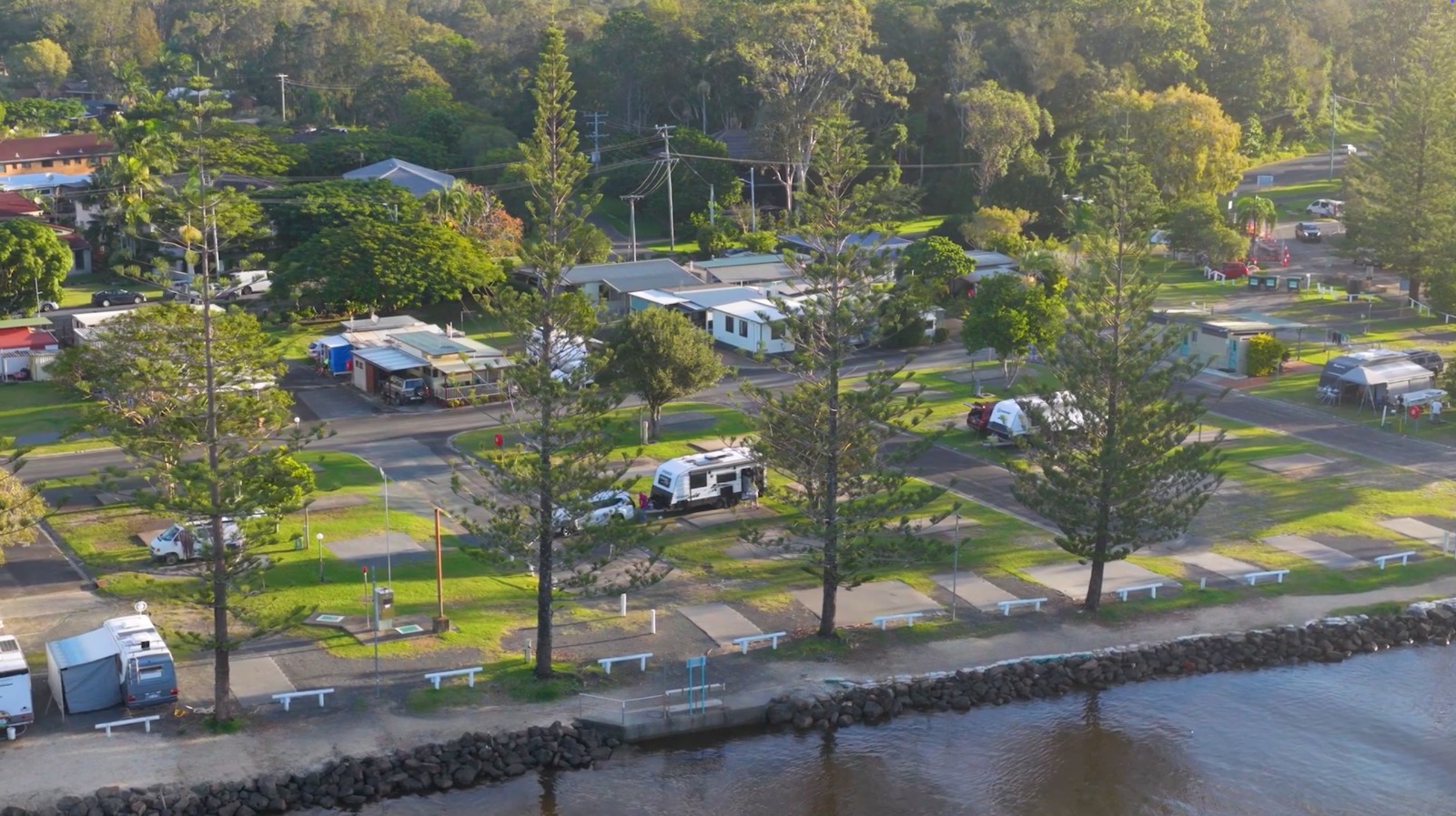
RV Parks & Campgrounds
Reclaim your leach field and expand your park. Understand how Aquzar converts your largest infrastructure liability into additional revenue-generating pad sites.
Ready to See How It Applies to Your Situation?
Every project is different. Site conditions, population served, regulatory jurisdiction, and funding eligibility all shape what a solution looks like. Our team will walk you through the technical fit, permitting path, and funding options relevant to your project.